

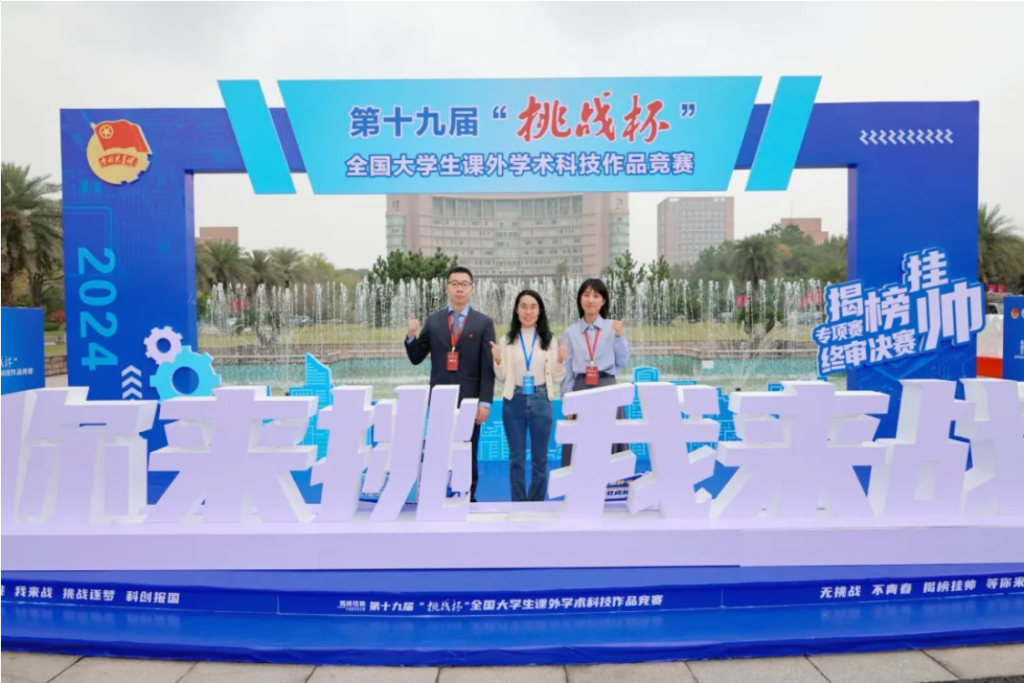
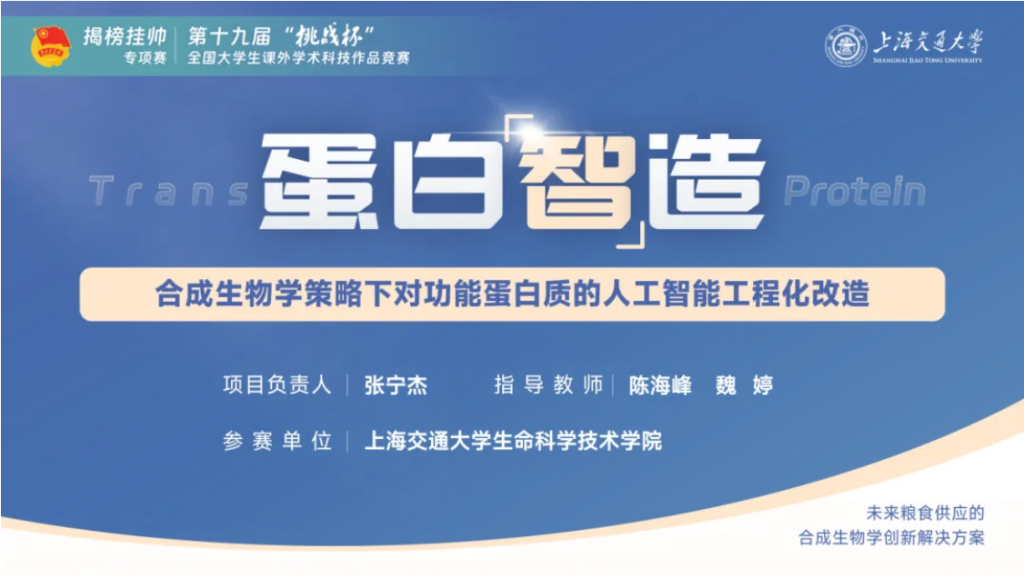
The final round of the 19th "Challenge Cup" National College Students' Extracurricular Academic and Scientific Works Competition, under the "Challenge-Based Competition" special competition, concluded on November 17th at China Jiliang University in Hangzhou, Zhejiang Province. The entry "Artificial Intelligence Engineering of Functional Proteins under Synthetic Biology Strategies" from the School of Life Sciences and Technology, Shanghai Jiao Tong University, won the Special Prize.

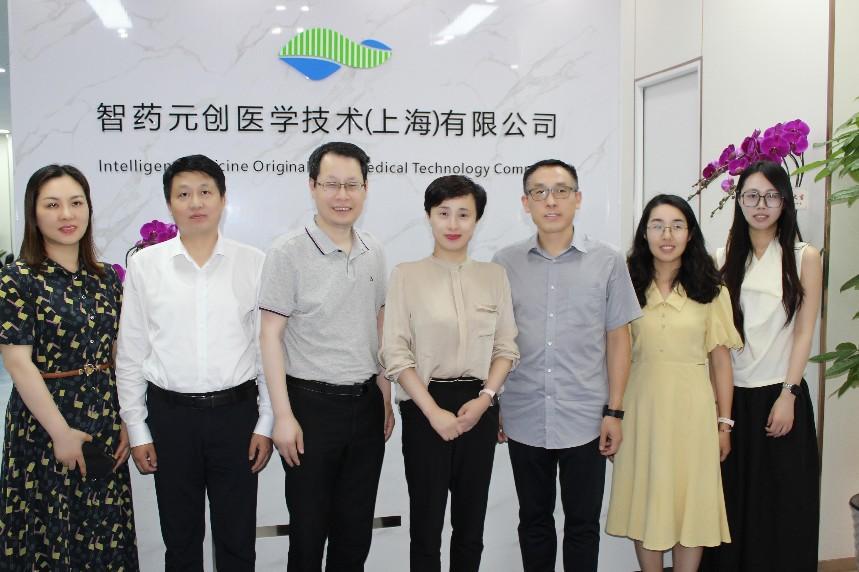
This project was completed collaboratively by Professor Chen Haifeng, founder of Zhiyao Yuanchuang Medical Technology (Shanghai) Co., Ltd., and Assistant Researcher Wei Ting, the company's Chief Technology Officer, and students. The team responded to a challenge posed by COFCO Nutrition and Health Research Institute Co., Ltd., entitled "Innovative Synthetic Biology Solutions for Future Food Supply," leveraging the laboratory's research strengths to design a project that aligns with the company's production and R&D needs.
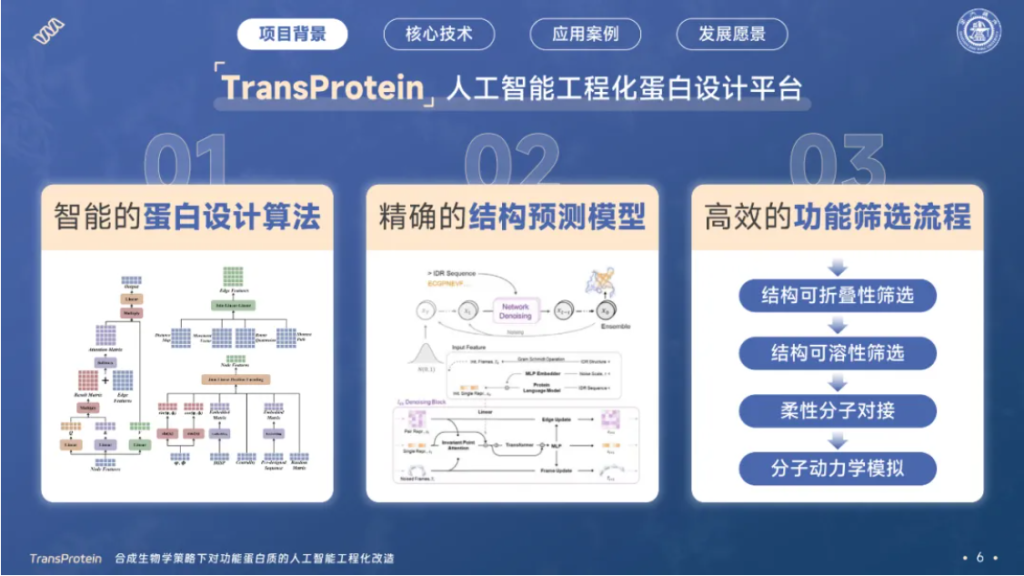
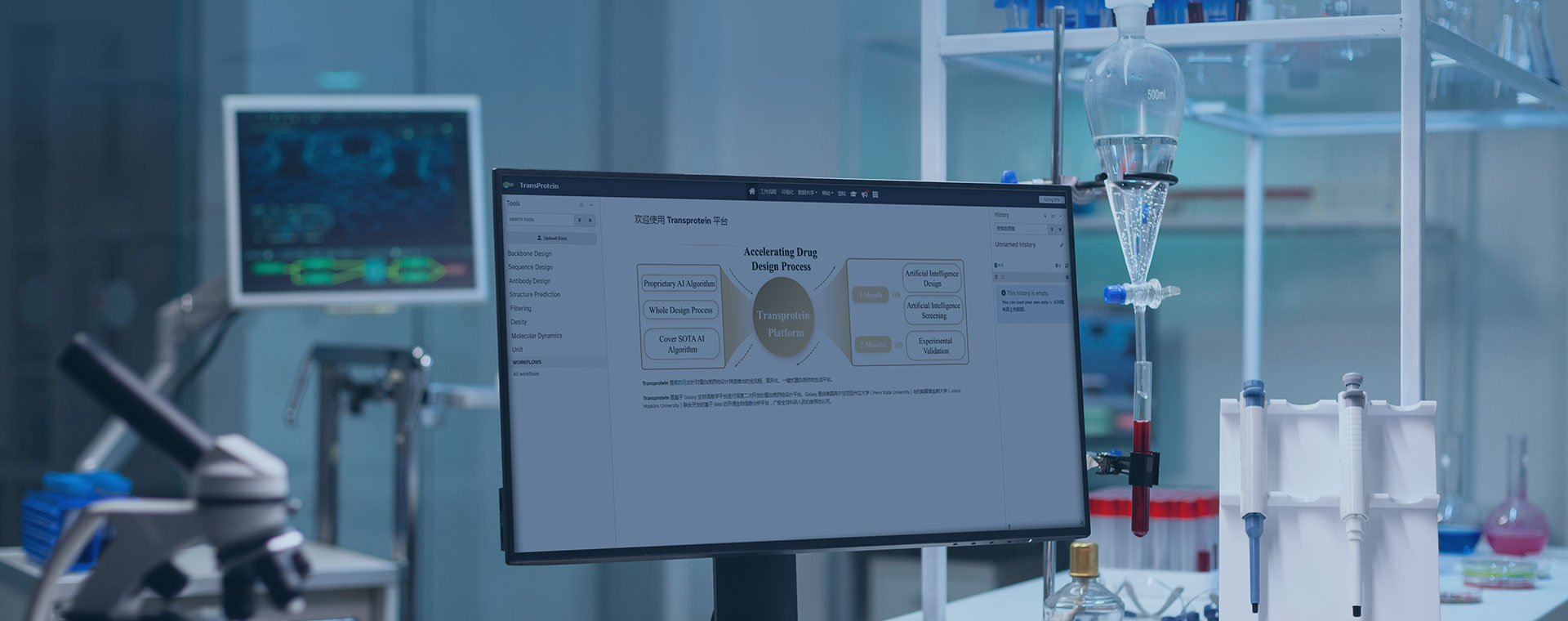
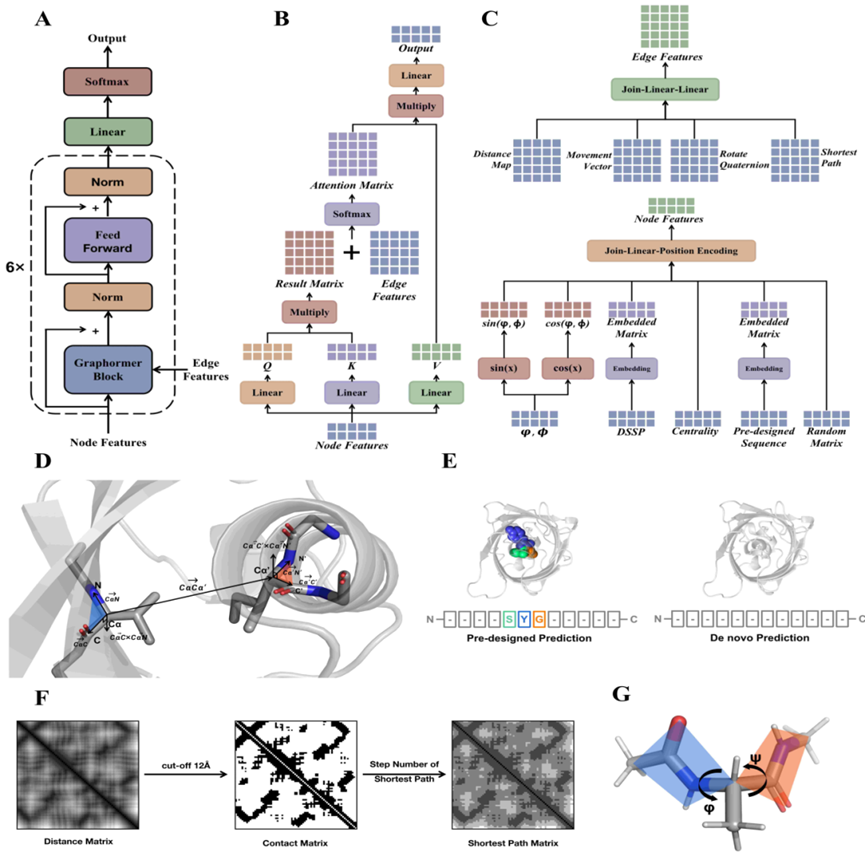
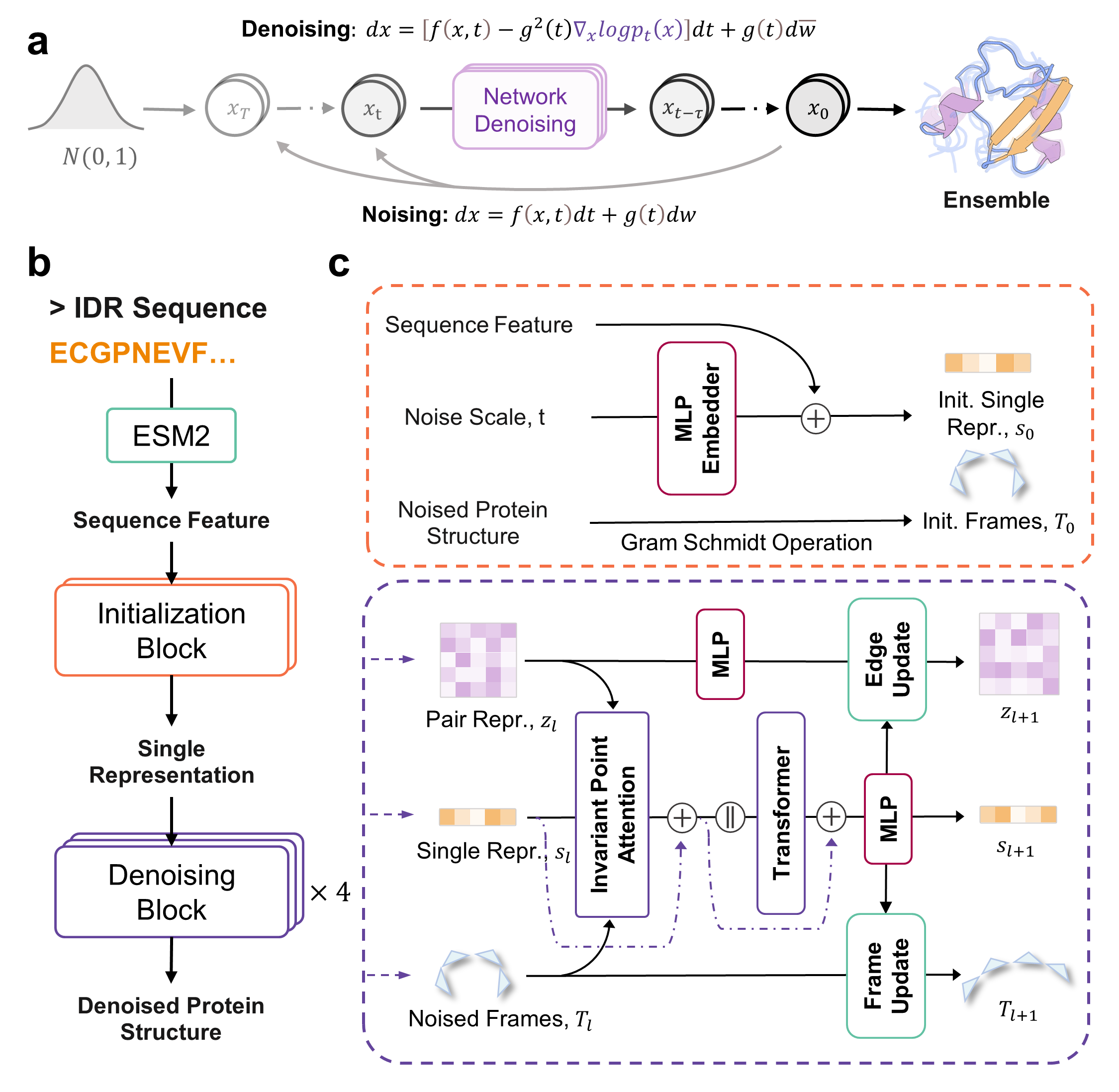
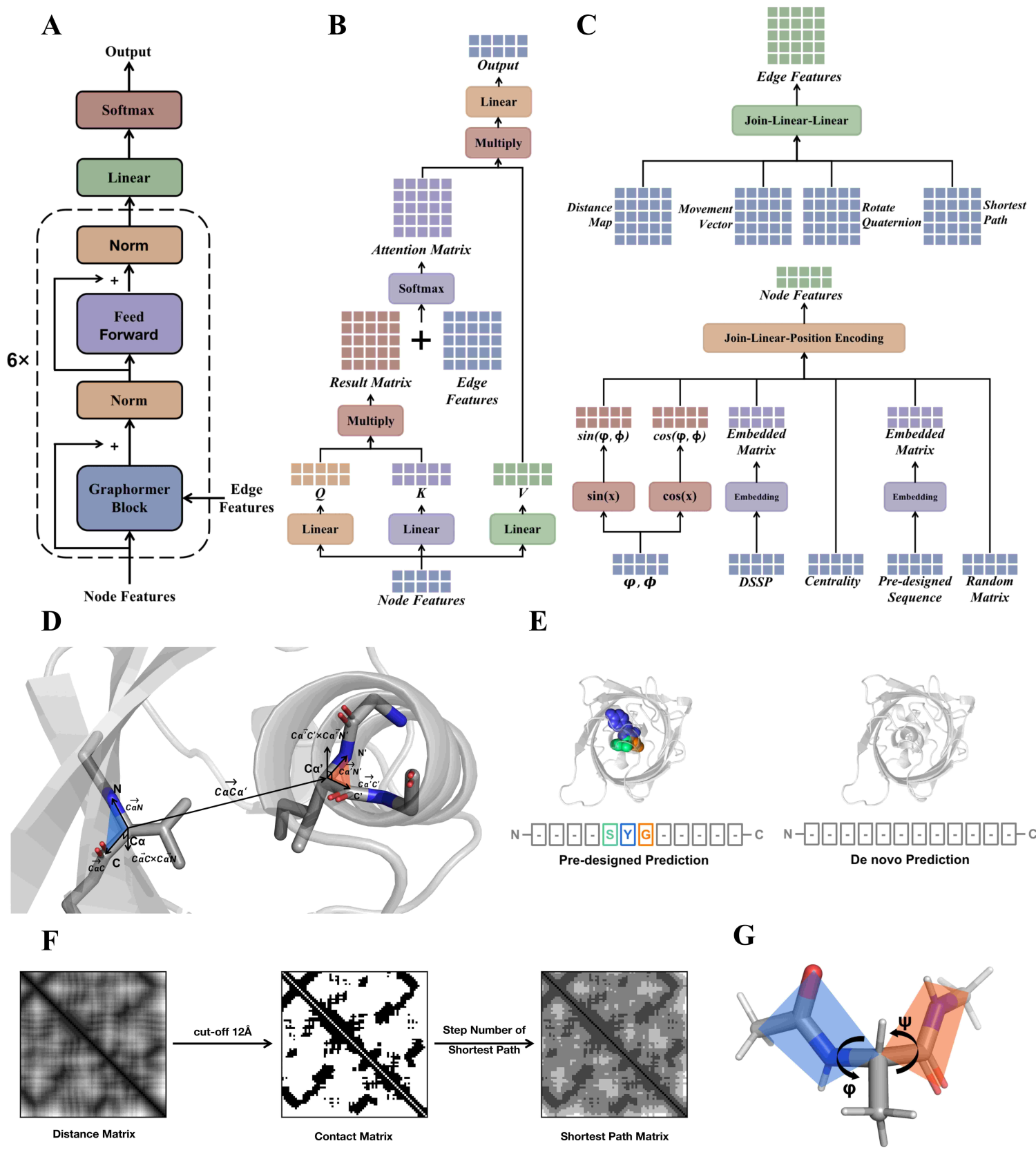
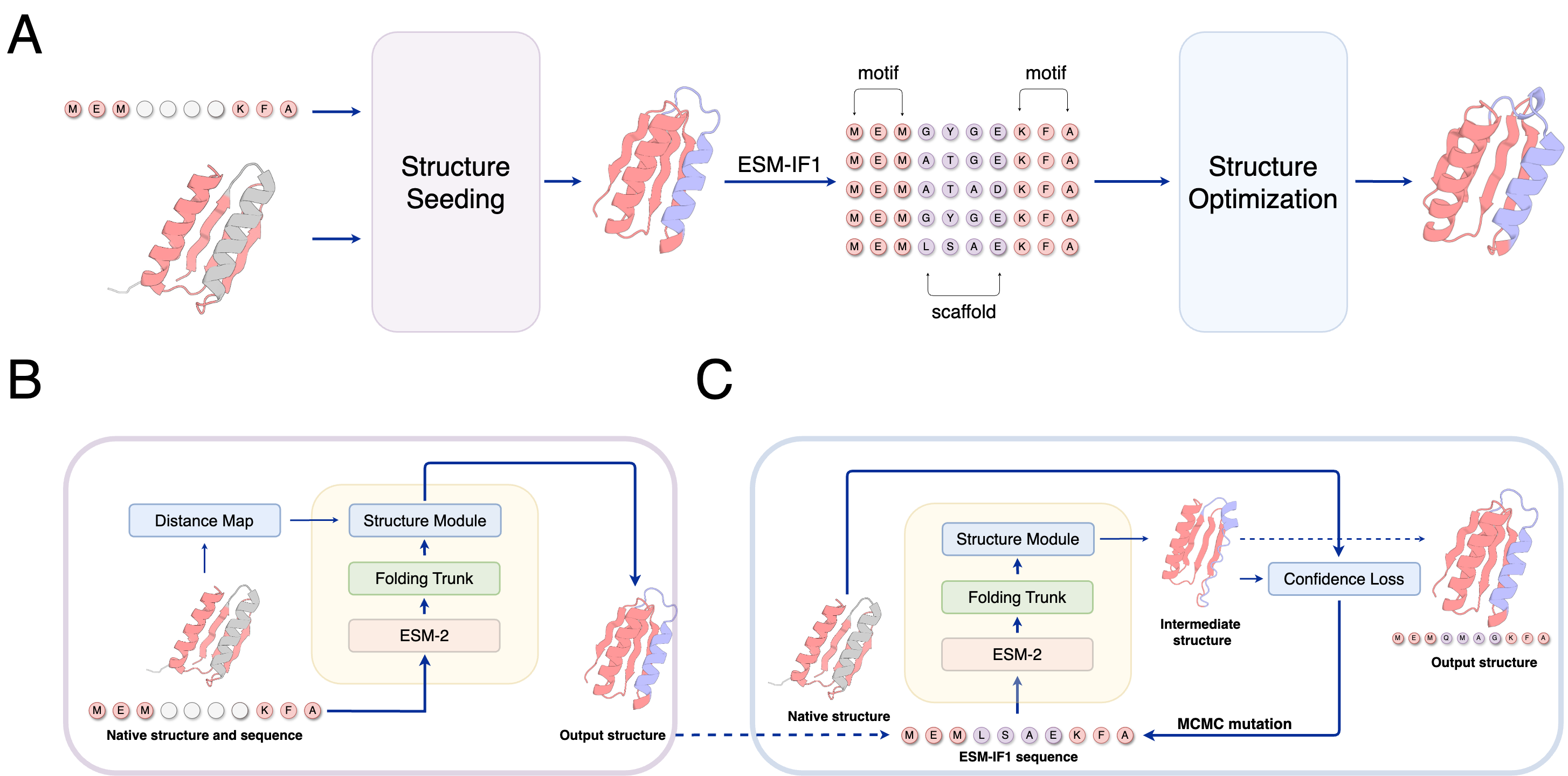
The team's work was based on the requirements of the awarding organization, focusing on innovative applications of synthetic biology within my country's food security and "grand food vision" development strategy. Enzymes, as key components in the food industry chain, can significantly improve the efficiency and sustainability of food production by enhancing their activity. However, traditional enzyme modification methods suffer from low efficiency, high cost, and limited improvement potential, failing to meet industry demands. The emergence of artificial intelligence protein design technology has brought revolutionary progress to synthetic biology. The team developed a full-process, integrated AI-engineered protein design platform—TransProtein—achieving three major breakthroughs in protein design: a backbone design method based on a large protein language model, a sequence design method based on generative AI, and a protein dynamic structure prediction model based on a diffusion model. This platform has not only yielded substantial research results but also has several successful practical applications, such as modifying the lipase CALB and enhancing its activity to improve cheese quality, potentially significantly boosting dairy companies' revenue; and designing long-acting smegglutide analogs with longer half-lives and better efficacy to help address health issues such as obesity and diabetes.
From topic selection to final defense, the team spent six months on the project, during which they received strong support from the school's Youth League Committee and meticulous guidance from college leaders and teachers. Through repeated experiments and various forms of research, the team deeply explored the needs of the project and ultimately developed a competitive entry. After rounds of selection, they made it to the national finals and achieved excellent results.

 WeChat Customer Service